Be yourself; Everyone else is already taken.
— Oscar Wilde.
This is the first post on my new blog. I’m just getting this new blog going, so stay tuned for more. Subscribe below to get notified when I post new updates.
Be yourself; Everyone else is already taken.
— Oscar Wilde.
This is the first post on my new blog. I’m just getting this new blog going, so stay tuned for more. Subscribe below to get notified when I post new updates.
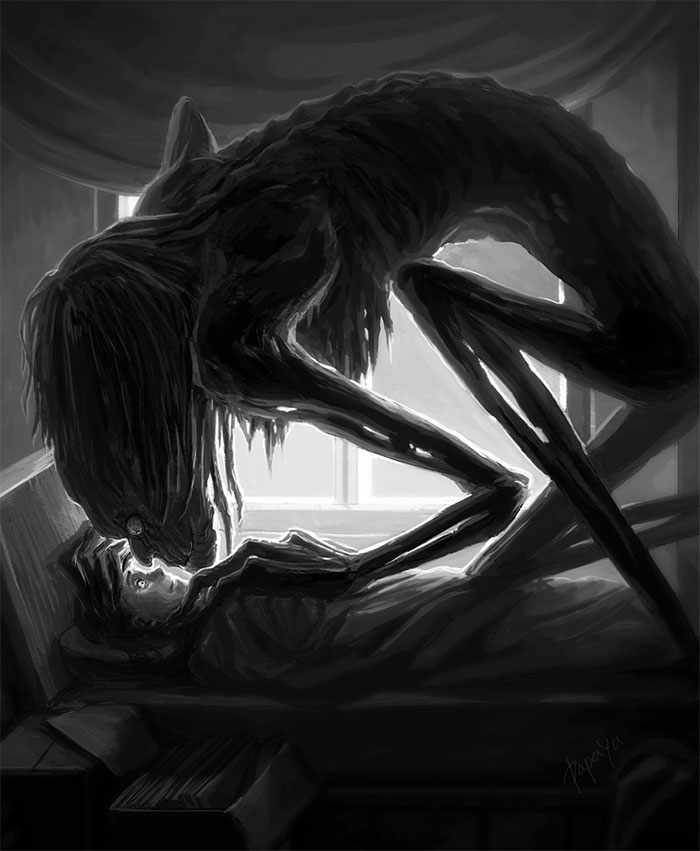
“I can’t move my body but I’m aware that I’m just dreaming.”
“I feel like there is something that is restraining me from getting up.”
“I feel like there’s something pressing my head.”
“I can’t see faces but I can hear voices from someone that is close to me.”
Have you ever wondered about what might happen even when you’re asleep? Many of us are considering sleeping as an escape route of the reality but sometimes this escape route might lead us to something that is terrifying. Some of the terrifying things that might happen are being unable to move even though you are awake, sensing a great pressure in your chest, and seeing and hearing things that are not there, and that is what we call sleep paralysis. This can happen either when falling asleep (hypnagogic or predormital form) or when waking up from sleep (hypnopompic or postdormital form). What sleeping paralysis looks like: Sleeping Paralysis
There are a lot of things that are believed to be the causes of sleep paralysis or waking nightmare. One of the causes is lack of sleep- a condition of not having enough sleep. A chronic sleep deprivation state can affect some cognitive functions in the brain. Some of the other causes are change of sleeping schedule, mental conditions and narcolepsy. Click here for more details: Causes These certain causes lead to various effects that a person can experience. Some of these effects are: Paranoia, somniphobia (fear of falling asleep).
The following are the signs and symptoms of sleep paralysis: Inability to move the body when falling asleep or waking, being consciously awake, unable to speak during the episode, having hallucinations that may cause fear, feeling pressure on the chest and having headaches and muscle pains. More information, click here symptoms
There is no specific treatment for sleep paralysis, but stress management, maintaining a regular sleep schedule, and observing good sleep habits can reduce the likelihood of sleep paralysis. More information, click here treatments
In conclusion, sleep paralysis can be a horrifying but amazing experience. It can be God’s way in making us appreciate the grace of sleeping and waking up each day as a blessing.
Other sleep problems such as narcolepsy or nighttime leg cram, sleeping on your back.
Other causes of sleep paralysis include Sleeping on your back, Hypertension and anxiety disorders.

Most people need no treatment for sleep paralysis. Treating any underlying conditions such as narcolepsy may help if you are anxious or unable to sleep well. These treatments may include the following:
Sleep paralysis isn’t a medical emergency. Being familiar with the symptoms can provide peace of mind.
The most common characteristic of an episode of sleep paralysis is the inability to move or speak. An episode may last for a few seconds to about 2 minutes.
You may also experience:
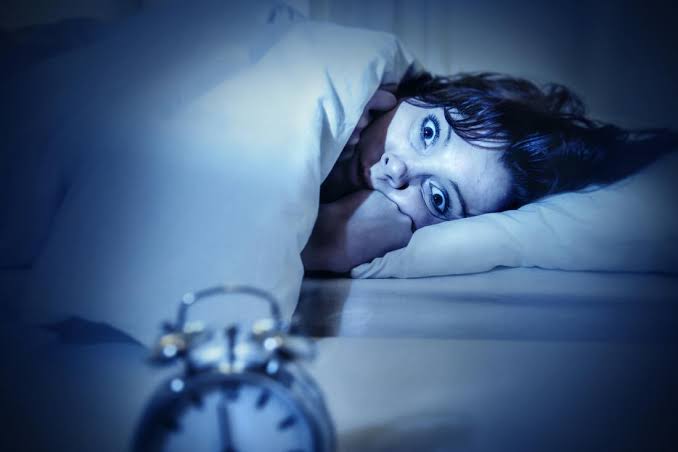
https://www.healthline.com/health/sleep/isolated-sleep-paralysis#symptoms
This is an example post, originally published as part of Blogging University. Enroll in one of our ten programs, and start your blog right.
You’re going to publish a post today. Don’t worry about how your blog looks. Don’t worry if you haven’t given it a name yet, or you’re feeling overwhelmed. Just click the “New Post” button, and tell us why you’re here.
Why do this?
The post can be short or long, a personal intro to your life or a bloggy mission statement, a manifesto for the future or a simple outline of your the types of things you hope to publish.
To help you get started, here are a few questions:
You’re not locked into any of this; one of the wonderful things about blogs is how they constantly evolve as we learn, grow, and interact with one another — but it’s good to know where and why you started, and articulating your goals may just give you a few other post ideas.
Can’t think how to get started? Just write the first thing that pops into your head. Anne Lamott, author of a book on writing we love, says that you need to give yourself permission to write a “crappy first draft”. Anne makes a great point — just start writing, and worry about editing it later.
When you’re ready to publish, give your post three to five tags that describe your blog’s focus — writing, photography, fiction, parenting, food, cars, movies, sports, whatever. These tags will help others who care about your topics find you in the Reader. Make sure one of the tags is “zerotohero,” so other new bloggers can find you, too.

 Sleep Paralysis